Need flooded basement cleanup in Fresno?
- Simple steps you can take now
- Honest answers about how we work
- Independent providers near you
- No obligation to hire
No obligation
Get help with the water below
Fewer homes here have full basements, but many have cellars, sunken rooms or crawl spaces under raised wood floors. When winter rain arrives after a long dry season, water can pour into these low spaces. A water heater or a pipe can also fail down there, out of sight.
Flooded basement cleanup means pumping out the water, taking out soaked materials, cleaning and drying the space so mold does not take hold. Pickupclean Water Cleanup connects homeowners in Fresno and nearby communities with independent providers who handle this. This page explains what is safe for you to do and what is better left to them.
It is natural to want to rush in. Please pause and check a few things first.
If water touches outlets, cords, a water heater or a furnace, stay out. Turn off power at the panel only if you can reach it from a dry place.
Water from outside or from a drain may carry sewage. Wear gloves and boots, and keep children and pets away.
Steps and floors get slippery. Move slowly and use a flashlight.
Knowing the source helps everyone. Take a gentle look.
Winter storms can send water down outside steps, through vents or along the foundation.
Check the water heater and any pipes you can see. If one is leaking, close the main valve.
Water rising from a floor drain points to a sewer or storm line problem. Treat it as contaminated.
Take a photo of what you find.
Basements, cellars and crawl spaces are dark and do not get much fresh air. Mold grows well there. Wood floor framing above a wet crawl space can stay damp for a long time. The sooner the water is out and drying begins, the less needs to be torn out.
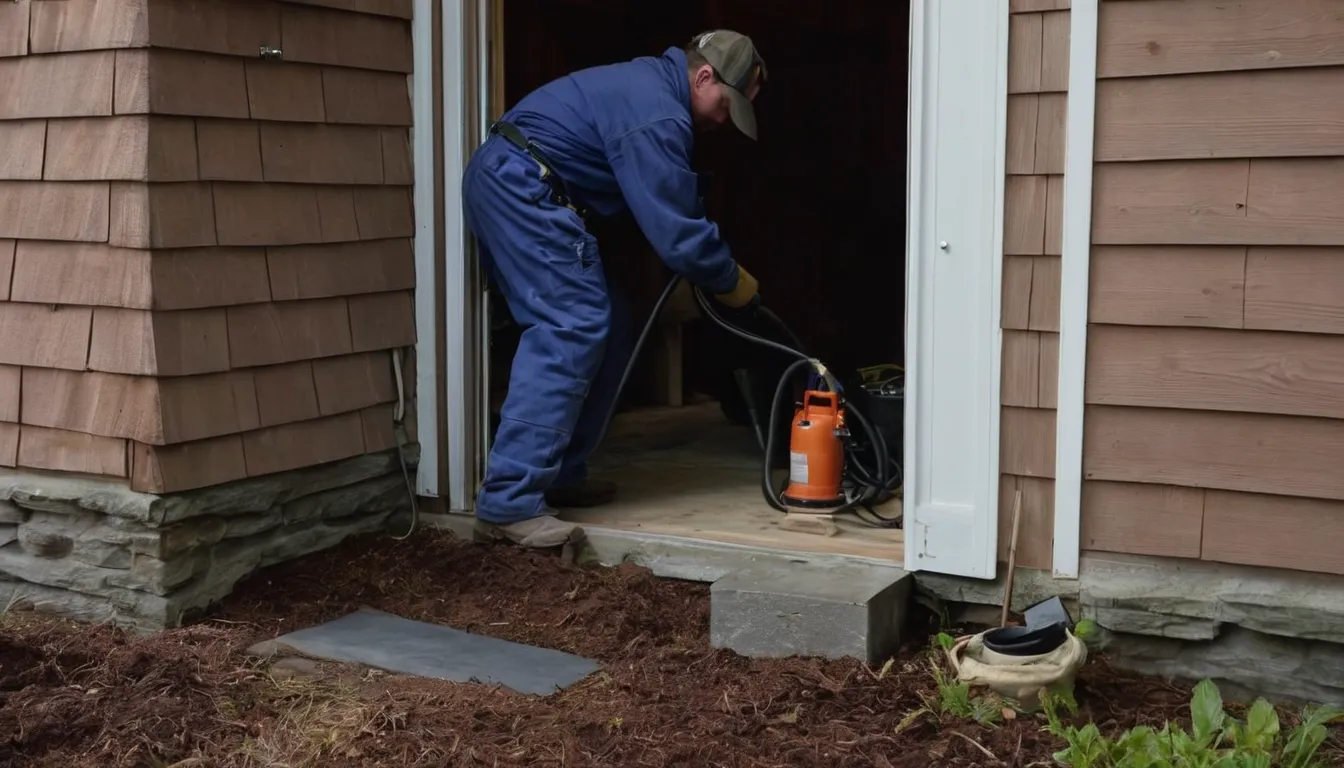
Providers use submersible pumps for deeper water and extractors for the last bit.
Wet insulation, carpet pad and the lower part of drywall usually come out.
Surfaces are cleaned, and treated if the water was dirty.
Fans and dehumidifiers run until readings show the space is dry.
A crawl space is tight and hard to reach. Water can sit on the soil and soak into the wood above. Providers have small pumps, fans and vapor barriers made for these spaces.
Lay photos and papers flat to dry. Photograph damaged items before you throw anything away. Some policies may cover sudden water damage, while seepage and backups often need different coverage. Your policy will say.
Clean gutters before the rainy season. Make sure downspouts point away from the house. Peek into the crawl space once a year. Small checks like these give you peace of mind.
Cleaning up after water in a cellar or crawl space can be tiring and upsetting, especially if old family items got wet. It is okay to take breaks. It is okay to ask for help moving heavy things. If a box of photos or papers got soaked, lay the pieces flat on towels in a cool, dry room, and try not to pull stuck pages apart while they are wet. Some families freeze soaked papers in a sealed bag until they have time to deal with them.
If you are not sure whether something can be saved, set it aside and ask the provider. They see this every week and can often tell you what is worth trying to dry.
When the space is dry, ask the provider whether a vapor barrier or better vents would help keep it that way.
Pumps and extractors clear water from basements, cellars and crawl spaces.
Wet insulation, pad and low drywall come out before drying.
Surfaces get cleaned and sanitized after dirty water.
Fans and dehumidifiers run until readings are normal.
Costs depend on how much water there is, where it came from and how easy the space is to reach. These are typical U.S. ranges. A written quote will tell you more.
| Situation | Typical U.S. range | Notes |
|---|---|---|
| Basement, shallow clean water | $500 to $2,000 | Pump, clean, dry |
| Finished lower level | $2,000 to $7,000 | Some drywall and carpet removal |
| Crawl space water removal | $500 to $3,000 | Tight access, special tools |
| Sewer backup cleanup | $3,000 to $10,000+ | Sanitizing and safety gear |
| Crawl space vapor barrier | $1,000 to $4,000 | Helps keep moisture down |
| Mold treatment if found | $1,000 to $5,000 | Only if growth is present |
Look for nearby electricity and treat outside water as dirty.
Look at the water heater, pipes and drains.
Call or send a short note with photos.
Read the written estimate before any work starts.
We help you check electricity and water type before you go down.
You know the provider is a separate business that does the work.
You see what is safe for you and what to leave to a pro.
Independent providers who know crawl spaces across the Fresno area.
Signs include a musty smell inside the house, floors that feel soft or cold, more bugs than usual and damp spots near the crawl space vents. A quick look with a flashlight often tells you. A provider can check moisture levels in the wood.
A thin layer of clean water may be fine with a wet vacuum. Deeper water, dirty water or water near electricity is safer left to a provider with proper pumps.
It can. Damp soil and wood under the floor are a good home for mold. Drying the space and adding a vapor barrier helps keep it away.
Found water and not sure what to do? Request a callback or send a short note. We will connect you with a provider nearby.
No obligation