Need water damage restoration in Fresno?
- Simple steps you can take now
- Honest answers about how we work
- Independent providers near you
- No obligation to hire
No obligation
Talk with someone who can help
Water damage restoration is the full process of putting a home right after a leak or flood. A provider removes the water, dries floors and walls with strong equipment, checks moisture until everything is normal and then repairs what could not be saved. It can feel like a lot, but each step has a clear purpose.
Pickupclean Water Cleanup connects homeowners in Fresno and nearby communities with independent restoration providers. We are a referral service, so the provider you talk with is a separate business that does the work. Before they arrive, there are a few safe things you can do yourself. This page explains them, along with what the provider handles.
It is okay to feel worried. Take these steps one at a time.
If the water is coming from a pipe, a fixture or an appliance, close the main shutoff valve. In many homes here it is near the front of the house or in the garage.
If water is near outlets, cords or appliances, stay back. Turn off the breaker only if you can do it from a dry spot.
Photograph each wet room and the source. These pictures help the provider and can help with any insurance questions later.
Lift rugs, papers and electronics to a dry room. Set furniture on small blocks or foil.
Water keeps spreading after you stop seeing it. It wicks up into drywall and soaks into carpet pad and wood. Mold can begin to grow within a day or two. The sooner drying starts, the more of your home can usually be saved.
The provider uses a moisture meter to find where water traveled, including behind walls and under floors.
Pumps and extractors pull water out of floors and carpet.
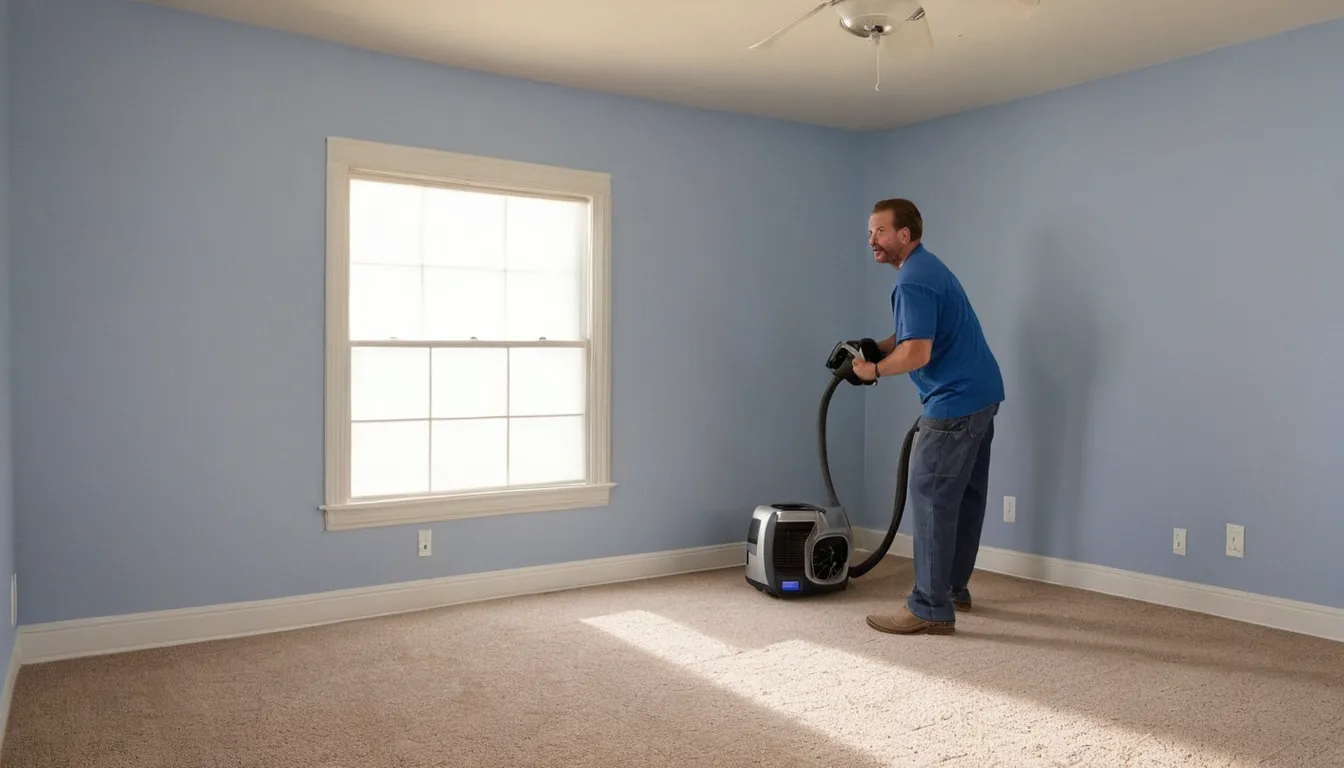
Air movers and dehumidifiers run for several days. The provider checks readings until materials are dry.
Once everything is dry, damaged drywall, trim or flooring can be replaced.
Clean water from a supply line is the gentlest kind. Gray water from a washer or dishwasher has some contamination. Black water from a sewer line or outside flooding can carry germs, so porous items it touched usually need to be replaced. Let the provider know where the water came from.
Some policies may cover sudden damage, like a burst pipe. Slow leaks and outside flooding are often treated differently. It is worth reading your policy and asking your agent. Keep your photos, notes and receipts together. Providers can often help document damage for a claim.
It is okay to ask questions. Ask whether they hold the licenses your state requires and carry insurance. Ask how they will know drying is finished. Ask for a written estimate. A provider who answers kindly and clearly is usually a good sign.
After the work is done, keep an eye on the area for a few weeks. A musty smell, new stains or a soft spot in the floor are worth mentioning to the provider.
Many people worry about the first visit. It is usually calm and practical. The provider walks through your home with you and asks what happened. They use a moisture meter on floors, walls and cabinets, sometimes in places that look perfectly dry. Then they explain what they found, what they recommend and about how long it should take. You receive a written estimate. If you are ready, they can often begin removing water and setting up equipment on that visit. If you would like time to think, that is okay too.
Homes built decades ago may have older pipes, original flooring or materials that need careful handling. A good provider will check before cutting into anything and will explain any extra steps.
If you are unsure about any step, ask the provider to show you what they mean. Most are glad to.
Moisture meters show where water traveled, even behind walls, under floors and into the crawl space.
Pumps and extractors pull water from floors and carpet quickly and safely.
Air movers and dehumidifiers run for days while readings are checked each visit.
Damaged drywall, trim and flooring are replaced once everything is confirmed dry.
Every home and every leak is different. The size of the area, the type of water and how long it sat all affect the price. These are typical U.S. ranges, so please ask for a written quote.
| Situation | Typical U.S. range | Notes |
|---|---|---|
| Small clean water leak | $300 to $1,500 | One room, a few days of drying |
| Larger clean water leak | $1,500 to $5,000 | Several rooms, more equipment |
| Gray water cleanup | $2,000 to $6,000 | Extra cleaning needed |
| Sewage or outside flooding | $3,000 to $10,000+ | Safety gear and more removal |
| Crawl space drying | $500 to $3,000 | Depends on access and size |
| Drywall and flooring repairs | $1,000 to $8,000 | Varies by materials |
Close the main valve and stay back from any wet outlets.
Photograph each wet room and where the water came from.
Call or send a short note to reach a local provider.
Read it, ask questions and decide when you are ready.
Clear, gentle steps help you feel more in control from the start.
You always know who does the work and how we are paid.
Independent providers who know homes across the Fresno area.
Take your time with the estimate. No obligation.
Drying often takes three to five days. Repairs may take another week or two. The provider can give you a timeline once they see the damage.
Often yes, if the damage is in a few rooms and the water was clean. With sewage or larger damage, staying elsewhere may be more comfortable. Ask the provider.
Not always. Tile and some floors can often be dried. Carpet pad and swollen wood may need replacing. The provider will explain.
Found water and not sure what to do? Request a callback or send a short note. We will connect you with a provider nearby.
No obligation